WELCOME TO THE HELIUM WEBSITE |
||||||||||||||||||||||||||||||||||||||||||||||||||||||||||||||||||||||||||||||||||||||||||||||||||||||||||||||||||||||||
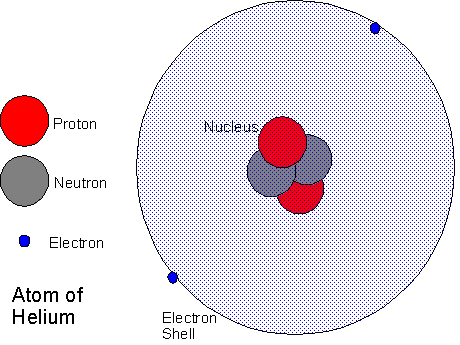
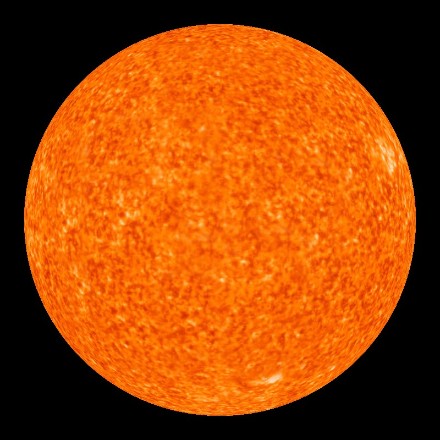
Helium is the chemical element with atomic number 2 and an atomic weight of 4.002602, which is represented by the symbol He. It is a colorless, odorless, tasteless, non-toxic, inert monatomic gas that heads the noble gas group in the periodic table. Its boiling and melting points are the lowest among the elements and it exists only as a gas except in extreme conditions. Next to hydrogen, it is the second most abundant element in the universe, and accounts for 24% of the elemental mass of our galaxy. An unknown yellow spectral line signature in sunlight was first observed from a solar eclipse in 1868 by French astronomer Pierre Janssen. Janssen is jointly credited with the discovery of the element with Norman Lockyer, who observed the same eclipse and was the first to propose that the line was due to a new element which he named helium. In 1903, large reserves of helium were found in the natural gas fields of the United States, which is by far the largest supplier of the gas.  |
  |
|||||||||||||||||||||||||||||||||||||||||||||||||||||||||||||||||||||||||||||||||||||||||||||||||||||||||||||||||||||||


